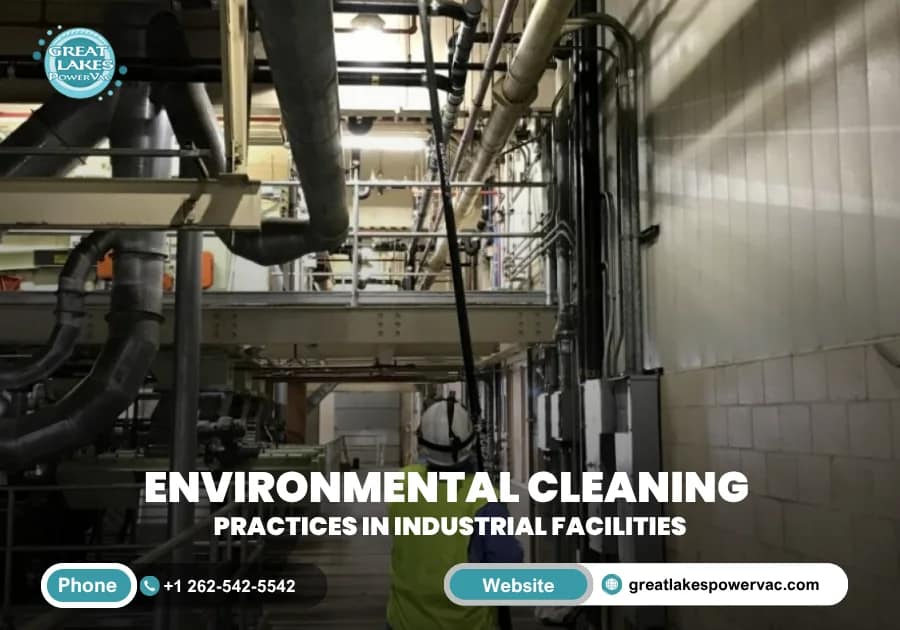
Industrial facilities are tough environments. Chemicals, oils, heavy metals, dust, and process waste build up constantly. Left unmanaged, they don’t just create a mess – they create real environmental damage. That’s why environmental industrial cleaning has become one of the most important parts of running any responsible facility. It’s not just about keeping things tidy.
It’s about protecting soil, water, air, and the communities around your site. This guide breaks down the key practices, methods, and standards that make industrial cleaning genuinely environmentally responsible.
What Is Environmental Industrial Cleaning
It’s cleaning done with the environment in mind – not just the surface being cleaned.
Standard industrial cleaning removes dirt and buildup. Environmental industrial cleaning goes further. It controls where waste goes, what chemicals are used, how runoff is managed, and how the whole process affects the surrounding environment.
Every industrial facility produces waste during cleaning. The question is whether that waste gets handled properly or ends up where it shouldn’t – in drains, soil, or waterways.
Great Lakes Power Vac specialises in exactly this kind of work – industrial cleaning that gets the job done without creating a secondary environmental problem in the process.
Why It Matters More Than Ever
Environmental regulations are getting stricter every year. Fines are getting bigger. Public scrutiny of industrial operations is increasing.
But beyond compliance – the damage that poor industrial cleaning causes is real.
Contaminated runoff reaches rivers and groundwater. Chemical residue in soil affects ecosystems for years. Poor air quality from industrial dust and vapour affects workers and nearby residents.
Environmental industrial cleaning addresses all of this. It protects your site, your community, and your operating licence.
Here’s what’s at stake:
- Legal liability – improper waste disposal carries serious penalties
- Worker health – contaminated work environments cause long-term health problems
- Community relations – facilities known for poor environmental practices face community opposition
- Operational continuity – environmental violations can shut a facility down entirely
Getting cleaning right isn’t just the responsible thing to do. It’s a smart business decision.
Key Environmental Cleaning Practices for Industrial Facilities
Containment Before Cleaning Begins
This is where most environmental problems start – or get prevented.
Before any cleaning begins, the area needs to be contained properly. Berms, barriers, and drain covers stop contaminated water and debris from spreading beyond the work zone.
If cleaning generates liquid waste – and most industrial cleaning does – that liquid needs somewhere controlled to go. Not a floor drain connected to the storm system. Not a ditch running to a nearby field.
Proper containment means the waste stays where you can collect it, treat it, and dispose of it correctly.
Vacuum Excavation and Industrial Vacuuming
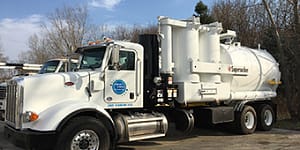
One of the cleanest methods available for environmental industrial cleaning is high-powered vacuum extraction.
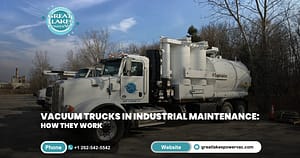
Instead of washing waste away – which risks spreading contamination – vacuum systems lift it directly into a contained tank. Sludge, sediment, liquid waste, and debris all get collected and removed from site without touching the surrounding environment.
This method works in tanks, pits, trenches, pipelines, and confined spaces. It’s precise. It’s contained. And it leaves almost no secondary mess.
High Pressure Water Blasting With Waste Collection
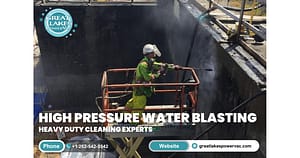
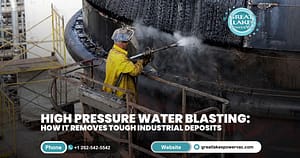
Water blasting is highly effective for removing heavy industrial deposits. But water blasting without waste collection is an environmental problem – contaminated water running across the site and into drainage systems.
Proper environmental industrial cleaning combines water blasting with vacuum recovery. The water is fired at the surface. The resulting contaminated water and debris is immediately vacuumed up and contained. Nothing reaches the floor drain or the ground.
The United States Environmental Protection Agency publishes strict guidelines on industrial wastewater management – these apply directly to water used in industrial cleaning operations.
Chemical Selection and Control
Some cleaning chemicals are themselves environmental hazards. Solvents, degreasers, and acids can be highly toxic if they reach waterways or soil.
Environmentally responsible facilities make deliberate choices about what chemicals they use:
| Chemical Type | Environmental Risk | Better Alternative |
| Petroleum solvents | High – soil and water contamination | Bio-based degreasers |
| Caustic cleaners | Medium – pH disruption in waterways | pH-neutral biodegradable cleaners |
| Chlorinated compounds | Very high – persistent contamination | Enzyme-based cleaners |
| Phosphate cleaners | Medium – promotes algae growth | Phosphate-free formulations |
Switching to lower-risk alternatives doesn’t always mean lower performance. Many biodegradable industrial cleaners are highly effective – they just break down safely after use.
Waste Segregation and Proper Disposal
Not all industrial waste is the same. Mixing waste streams causes problems – and creates additional costs.
Environmental industrial cleaning requires proper segregation:
Liquid waste – collected separately. Tested if necessary. Sent to licensed treatment facilities.
Solid waste – bagged, labelled, and disposed of according to its hazard classification.
Hazardous waste – handled under strict protocols. Manifested and tracked from collection to final disposal.
Recyclable materials – separated where possible. Metals, clean plastics, and non-contaminated materials should go to recycling rather than landfill.
A licensed waste carrier must transport hazardous waste off site. Using an unlicensed carrier creates liability for the facility – even if the carrier was hired in good faith.
Environmental Cleaning for Specific Facility Types
Different facilities generate different types of waste. The cleaning approach needs to match.
Oil and Gas Facilities
Tank cleaning, pipeline pigging, separator cleaning – all generate hydrocarbon-contaminated waste. This requires specialist vacuum tankers, closed-loop cleaning systems, and careful waste management. Hydrocarbon waste must go to licensed treatment or recovery facilities.
Food Processing Plants
Organic waste – food residue, fats, oils, and cleaning chemicals – can create significant biological oxygen demand if it reaches waterways. Grease traps, interceptors, and careful drain management are essential. Environmental industrial cleaning in food facilities also has to account for hygiene requirements alongside environmental ones.
Chemical Manufacturing
The highest-risk environment for environmental cleaning. Process residues can include toxic, corrosive, or reactive materials. Every cleaning operation needs a method statement that accounts for the specific chemicals present and how their waste will be handled.
Metal Fabrication and Engineering
Metal swarf, cutting fluids, and surface treatment chemicals – all need careful management. Oil-water separators, proper containment, and vacuum collection prevent these from reaching drainage systems.
Great Lakes Power Vac has experience across all of these facility types – bringing the right equipment and the right approach to each one.
Building an Environmental Cleaning Programme
One-off cleaning isn’t enough. Facilities need a structured programme.
Step 1 – Site assessment. Identify every area that generates waste during cleaning. Map drain locations, containment points, and waste generation sources.
Step 2 – Risk assessment. What contaminants are present? What’s the risk of them reaching the environment? What controls are needed?
Step 3 – Method statements. For every cleaning task, document exactly how it will be done, what equipment will be used, and how waste will be managed.
Step 4 – Staff training. Everyone involved in cleaning needs to understand environmental requirements – not just the contractors but the site team managing the work.
Step 5 – Scheduled cleaning. Regular, planned cleaning prevents buildup. It also spreads cost more evenly and avoids the bigger environmental risks that come with heavy, neglected buildup.
Step 6 – Audit and review. After every major cleaning operation, review what worked and what didn’t. Environmental compliance isn’t static – it needs continuous improvement.
Common Mistakes That Create Environmental Problems
These come up on sites regularly:
Washing waste to floor drains. The most common mistake. Floor drains often connect to storm systems. Contaminated water reaching storm drains is an immediate regulatory violation.
Using excessive water. More water means more contaminated runoff to manage. Use the minimum amount needed to do the job properly.
No pre-cleaning containment. Setting up containment after cleaning has started is too late. Waste has already moved.
Skipping waste documentation. If you can’t prove how waste was disposed of, you have no defence if a problem surfaces later. Document everything.
Using unqualified contractors. Not every cleaning contractor understands environmental requirements. Using one who doesn’t creates liability for the facility.
FAQs About Environmental Industrial Cleaning
What regulations govern environmental industrial cleaning?
In the US, the EPA sets the main standards. The Clean Water Act, Resource Conservation and Recovery Act, and Clean Air Act all apply to aspects of industrial cleaning and waste management.
How often should industrial facilities schedule environmental cleaning?
Depends on the facility and process. High-risk areas may need monthly cleaning. Lower-risk areas may be quarterly or annual. A risk assessment determines the right frequency.
Can environmental cleaning save money?
Yes. Preventing contamination is far cheaper than cleaning it up after the fact. Fines, remediation, and legal costs dwarf the cost of proper cleaning programmes.
What’s the difference between standard and environmental industrial cleaning?
Standard cleaning removes dirt. Environmental cleaning controls where that dirt goes and ensures it doesn’t create secondary contamination.
Do small facilities need environmental cleaning programmes?
Yes. Regulations apply regardless of facility size. Small facilities often face the same compliance requirements as large ones.
What happens if a facility fails an environmental inspection?
Depending on severity – improvement notices, fines, operational restrictions, or facility shutdown. Repeat violations carry significantly higher penalties.
Conclusion
Industrial facilities can’t afford to treat cleaning as an afterthought. Every cleaning operation – planned or reactive – has the potential to affect the environment if it’s not managed properly. Environmental industrial cleaning provides the framework to do it right. Proper containment, responsible chemical choices, complete waste management, and a structured programme protect your facility, your workers, your community, and your operating licence.
The facilities that take this seriously don’t just avoid problems – they build reputations as responsible operators that communities and regulators trust. Whether you’re reviewing your current cleaning practices or starting from scratch, the principles of environmental industrial cleaning are the foundation every industrial facility needs to build on.