Handling industrial sludge is a routine part of operations for many facilities, but it presents significant health and safety risks if proper procedures are not followed. Sludge often contains harmful microorganisms, chemicals, and heavy metals, which can pose hazards to workers and the environment. Facilities need to implement effective handling protocols, use appropriate personal protective equipment (PPE), and ensure staff are trained to minimize exposure. At Great Lakes Powervac, our industrial maintenance services include guidance on safe sludge handling practices to help facilities protect their employees and maintain compliance.
Improper sludge handling can result in serious health problems, regulatory violations, and operational interruptions. Understanding the types of risks associated with sludge, along with effective prevention strategies, is essential for safety managers, industrial hygienists, and operations teams. This article explores the health and safety risks of sludge handling, necessary safety protocols, and best practices for safe operations.
Understanding Industrial Sludge and Its Risks
Industrial sludge is a semi-solid byproduct produced in wastewater treatment plants, manufacturing processes, and chemical processing facilities. Its composition can vary widely, including:
- Organic matter, such as food processing residues
- Inorganic solids and heavy metals
- Hazardous chemicals, solvents, or acids
- Microbial content, including bacteria, viruses, and fungi
Due to this variability, sludge presents multiple hazards to personnel. Exposure can occur through skin contact, inhalation of airborne particles, or accidental ingestion. Facilities must recognize the potential dangers and take measures to mitigate risks. The severity of health risks depends on sludge composition, exposure duration, and handling practices.
Health Risks Associated with Sludge Exposure
Sludge handling can pose a variety of health risks. Awareness of these hazards helps in implementing proper safety procedures and selecting suitable PPE.
Skin and Eye Irritation
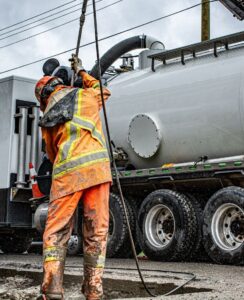
Contact with industrial sludge can lead to skin irritation, rashes, and even chemical burns in severe cases. Contaminated sludge can also cause eye irritation or infections if splashes occur. Protective gloves, full-body clothing, and face shields are essential to prevent direct contact with hazardous sludge.
Respiratory Issues
Airborne particles or aerosols from sludge can cause respiratory problems, particularly in facilities handling volatile chemicals or microbial-laden sludge. Long-term exposure may result in chronic respiratory conditions, such as asthma or bronchitis. Proper respiratory protection and adequate ventilation are critical to reducing inhalation risks.
Gastrointestinal Infections
Workers may be exposed to pathogens present in sludge, including bacteria like E. coli and Salmonella, through accidental ingestion. These pathogens can cause gastrointestinal infections, diarrhea, and more severe complications. Hand hygiene, PPE, and controlled handling procedures are crucial preventive measures.
Long-Term Health Effects
Heavy metals, toxic chemicals, and persistent microorganisms in sludge may accumulate in the body over time, potentially leading to chronic illnesses or organ damage. Preventing prolonged or repeated exposure is an essential aspect of a workplace safety program.
Safety Procedures for Sludge Handling
Implementing structured safety procedures reduces the risk of accidents and health problems associated with sludge. Facilities should establish the following protocols:
- Risk Assessment: Identify potential hazards before starting sludge handling operations. Assess the sludge composition, potential chemical exposure, and required equipment.
- Safe Handling Practices: Use proper lifting techniques, avoid manual contact with sludge whenever possible, and ensure controlled transfer to containment systems.
- Spill Prevention and Containment: Plan for containment of accidental spills, provide proper drainage, and maintain access to cleanup materials.
- Sanitation Procedures: Implement thorough handwashing, decontamination stations, and appropriate waste disposal after handling sludge.
Personal Protective Equipment (PPE) for Sludge Handling
Selecting and using appropriate PPE is critical for protecting workers. The choice of equipment depends on sludge type, potential hazards, and operational procedures.
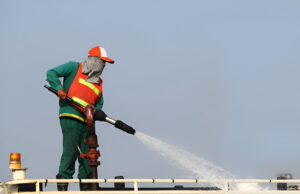
- Gloves and Protective Clothing: Impermeable gloves, rubber boots, and full-body suits prevent skin contact with hazardous sludge.
- Respiratory Protection: Masks or respirators help protect against inhaling harmful particles, gases, or bioaerosols.
- Eye and Face Protection: Goggles or face shields prevent exposure to splashes and airborne contaminants.
- Regular PPE Maintenance: Inspect equipment for wear, clean after use, and replace damaged items immediately.
Table: Health Risks and Protective Measures for Sludge Handling
|
Health Risk |
Description |
Recommended PPE / Procedure |
|
Skin and eye irritation |
Contact with sludge can cause rashes, burns |
Gloves, protective clothing, face shields |
|
Respiratory problems |
Inhalation of particles or toxic gases |
Respirators, proper ventilation |
|
Gastrointestinal infections |
Pathogen ingestion through accidental contact |
Hand hygiene, controlled handling procedures |
|
Long-term health effects |
Chemical or heavy metal accumulation |
PPE, exposure monitoring, risk minimization |
Emergency Preparedness and Spill Response
Even with precautions, accidents can occur. Facilities must prepare for emergencies to minimize risks:
- Immediate Response: Evacuate personnel from contaminated areas, contain spills, and initiate decontamination procedures.
- Medical Attention: Ensure quick access to medical services for exposed workers.
- Reporting and Documentation: Maintain accurate records of incidents, exposures, and corrective measures to comply with safety regulations.
- Training and Drills: Conduct regular safety drills to ensure workers can respond effectively in emergencies.
Training and Awareness Programs
Education and training play a critical role in sludge safety. Staff should receive training on:
- Safe handling and transfer of sludge
- Correct use of PPE and maintenance procedures
- Identification of potential hazards and emergency response
- Compliance with environmental and occupational safety regulations
Ongoing training ensures that employees are aware of risks and can adopt best practices consistently, minimizing accidents and health issues.
Professional Support for Safe Sludge Handling
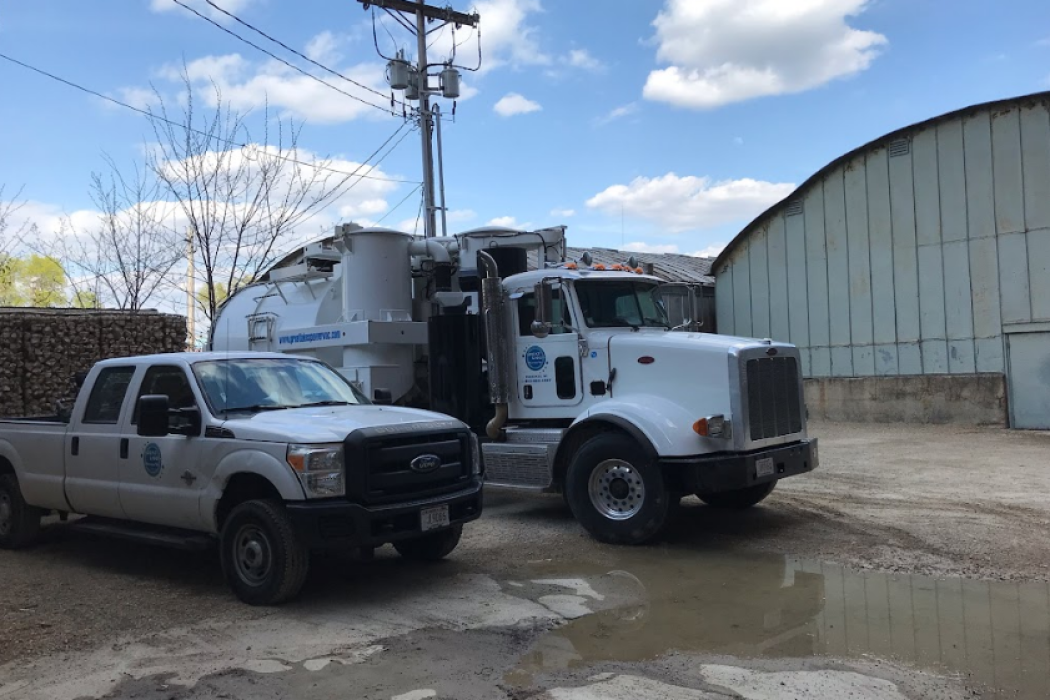
For complex or large-scale sludge management operations, professional services can provide valuable support. Great Lakes Powervac Industrial Maintenance Services include expertise in safe sludge handling, equipment recommendations, and compliance support. Partnering with professionals ensures proper handling protocols, effective PPE use, and adherence to safety and environmental standards, ultimately reducing operational risks and protecting employees.
Conclusion
Improper sludge handling poses significant health and safety risks, from skin irritation to long-term chemical exposure. Facilities must implement structured safety protocols, provide appropriate PPE, and conduct regular training to protect workers and comply with regulations. Professional support can further reduce risks and optimize operational safety. For guidance on safe sludge handling practices and industrial maintenance services, contact us to ensure your facility meets all safety requirements.
FAQ Section
Health risks include skin and eye irritation, respiratory problems, gastrointestinal infections, and long-term effects from chemical or heavy metal exposure.
Essential PPE includes impermeable gloves, protective clothing, respirators, and eye/face protection. Proper maintenance of PPE is equally important.
Facilities should implement risk assessments, safe handling procedures, spill containment, and regular employee training programs.
Yes. Professional services provide expert guidance, proper equipment, compliance support, and staff training to reduce risks and improve operational safety.