Proper disposal of industrial sludge is essential for environmental protection, workplace safety, and regulatory compliance. Industrial sludge, a byproduct of wastewater treatment and industrial processes, often contains chemical residues, heavy metals, and microorganisms that can pose significant risks if mishandled. Understanding the regulatory framework governing sludge disposal is critical for Environmental, Health, and Safety (EHS) managers, legal teams, and facility operators tasked with managing this material safely.
Failure to comply with disposal regulations can result in serious consequences, including fines, legal action, environmental damage, and reputational harm. This guide provides a detailed overview of key sludge disposal regulations, compliance requirements, and best practices to ensure safe and responsible sludge management.
Understanding the Importance of Sludge Disposal Compliance
Industrial sludge is a complex mixture of solids, liquids, and potentially hazardous substances. Its improper handling or disposal can contaminate soil, groundwater, and surface water, creating environmental and health hazards. Facilities must implement structured disposal procedures to prevent pollution and ensure that sludge does not enter natural ecosystems untreated.
Compliance with sludge regulations also safeguards workplace safety by reducing exposure risks to personnel handling the material. Understanding applicable laws, following proper disposal methods, and maintaining accurate documentation are all critical steps toward regulatory compliance. A proactive approach to sludge disposal not only reduces legal risks but also supports sustainable operations.
Key Regulations Governing Industrial Sludge Disposal
Industrial sludge disposal is governed by a combination of federal, state, and local regulations. Facilities must understand these requirements to develop compliant disposal practices.
EPA 503 Sludge Rule
The EPA 503 rule provides standards for the management, treatment, and disposal of biosolids derived from wastewater treatment. This rule sets guidelines for:
- Sludge Classification: Determining whether sludge can be safely applied to land or requires additional treatment to reduce contaminants.
- Pathogen Reduction: Ensuring sludge is treated to minimize microbial hazards before disposal or land application.
- Pollutant Limits: Establishing maximum allowable concentrations of heavy metals and other contaminants in sludge.
- Monitoring and Reporting: Requiring routine testing and documentation to demonstrate compliance with environmental standards.
Compliance with the EPA 503 rule is critical for facilities that reuse sludge in agriculture or discharge treated biosolids to land.
Hazardous Waste Regulations
Some industrial sludge is classified as hazardous due to the presence of toxic chemicals, solvents, or heavy metals. Facilities must follow hazardous waste regulations, which include:
- Proper storage in containment systems designed to prevent leaks and spills.
- Correct labeling of hazardous sludge to indicate its chemical properties and handling precautions.
- Use of licensed disposal facilities capable of safely managing hazardous materials.
- Maintaining detailed records of waste generation, transport, and disposal.
Adherence to hazardous waste laws ensures worker safety and minimizes the risk of environmental contamination.
State and Local Requirements
In addition to federal regulations, states and municipalities may impose specific rules on sludge disposal. These can include:
- Additional testing for chemical or biological contaminants.
- Permits for transport and storage of sludge.
- Restrictions on disposal locations or land application rates.
- Reporting requirements for state environmental agencies.
Facilities must integrate federal, state, and local rules into their operational procedures to maintain full compliance.
Safe Sludge Transportation and Handling
Transporting sludge safely is as important as proper disposal. Key considerations include:
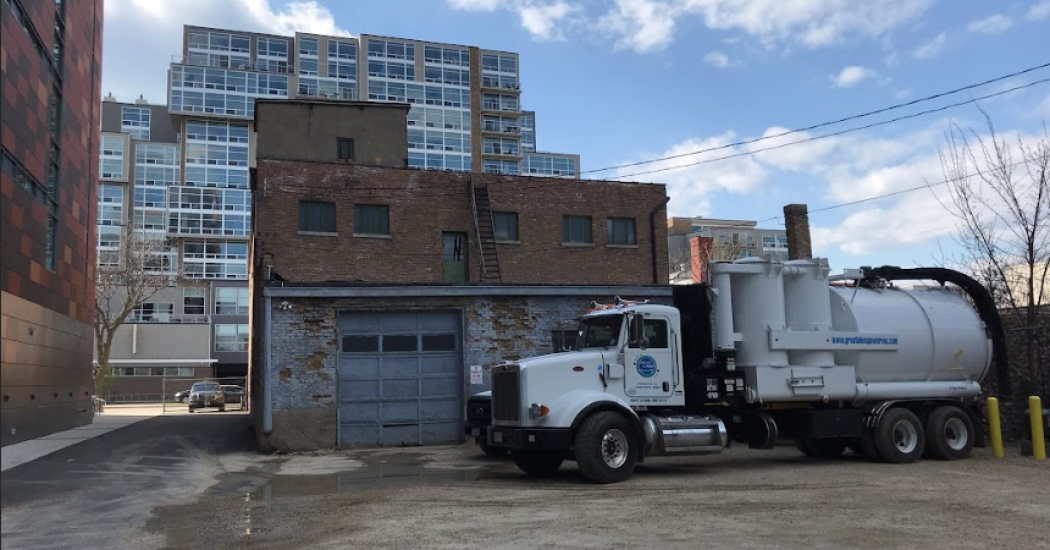
- Approved Containers and Vehicles: Sludge must be transported in sealed containers or trucks designed to prevent spills.
- Route Planning: Selecting transportation routes that minimize environmental impact and avoid densely populated areas when possible.
- Documentation: Maintaining detailed records of sludge movement, including origin, volume, and destination.
Effective transportation practices reduce the risk of accidental releases and help facilities demonstrate compliance during inspections.
Table: Overview of Sludge Disposal Regulations
Regulation Type | Purpose | Key Requirements |
EPA 503 Sludge Rule | Biosolid management and land application | Pathogen reduction, pollutant limits, monitoring |
Hazardous Waste Laws | Manage toxic or chemical-laden sludge | Proper storage, labeling, licensed disposal, documentation |
State & Local Regulations | Regional environmental protection standards | Additional testing, permits, reporting, disposal restrictions |
Best Practices for Regulatory Compliance
Facilities can adopt several best practices to ensure they meet sludge disposal regulations:
- Routine Monitoring: Regularly test sludge for chemical, biological, and heavy metal content to ensure compliance with pollutant limits.
- Documentation and Record-Keeping: Maintain accurate records of sludge generation, treatment, transport, and disposal. These records are crucial during inspections and audits.
- Employee Training: Ensure all staff handling sludge are trained in regulatory requirements, safety procedures, and emergency response protocols.
- Engage Qualified Disposal Services: When outsourcing sludge disposal, verify that the service providers comply with all regulatory standards and possess necessary permits.
- Emergency Preparedness: Develop contingency plans for spills, leaks, or accidental exposures to prevent environmental and health impacts.
By following these practices, facilities can minimize regulatory risks and ensure environmentally responsible sludge management.
Conclusion
Managing industrial sludge requires careful attention to environmental regulations, safety protocols, and operational procedures. Compliance with the EPA 503 rule, hazardous waste laws, and state-specific regulations is essential to protect workers, the public, and the environment. Facilities should implement structured monitoring, maintain detailed records, and ensure staff are trained in safe handling practices. For guidance on industrial maintenance and regulatory compliance, facilities can contact us to discuss their sludge management needs.